The look
One Garamond, on warm paper.
HUA HUA curates the world of the botanical, so the house is quiet around it: one old-style serif for every word, very large type that comes into focus, covers drawn as fields of reeds, and real pressed specimens, each one credited.
“HUA HUA is here to curate the world of the botanical.”
“It should be elegant and simple.”
Covers, drawn.
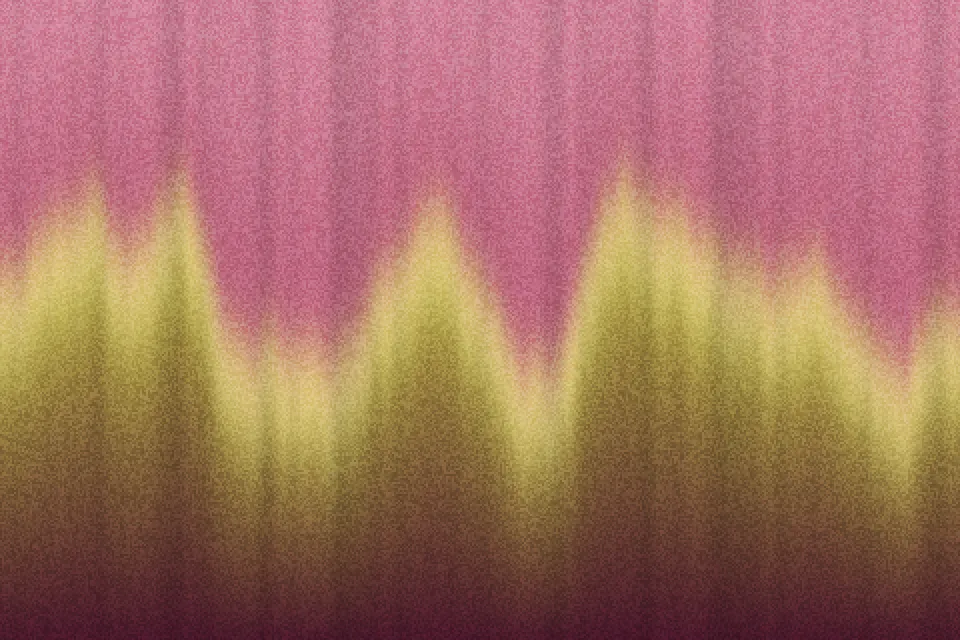
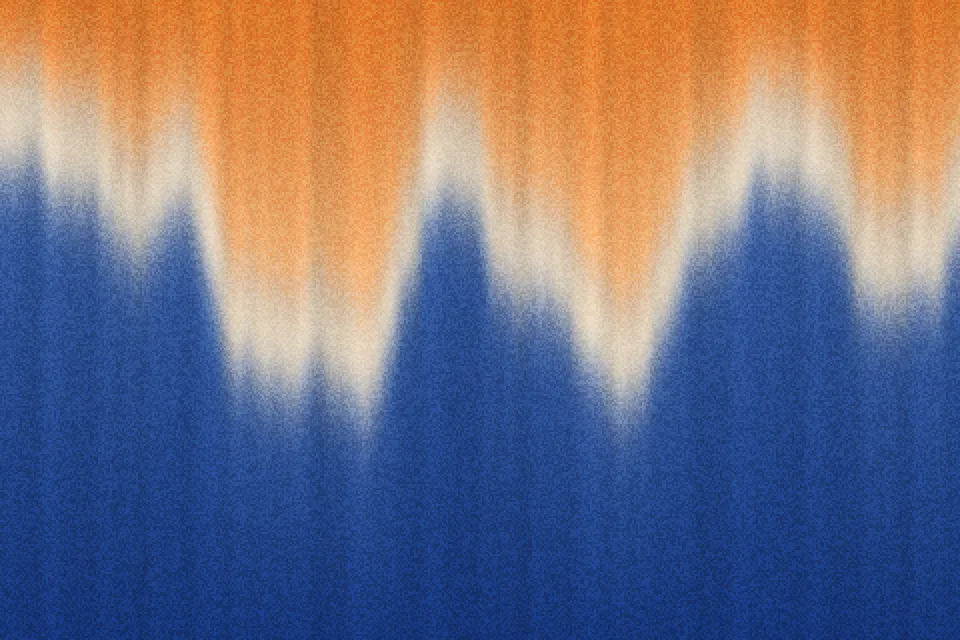
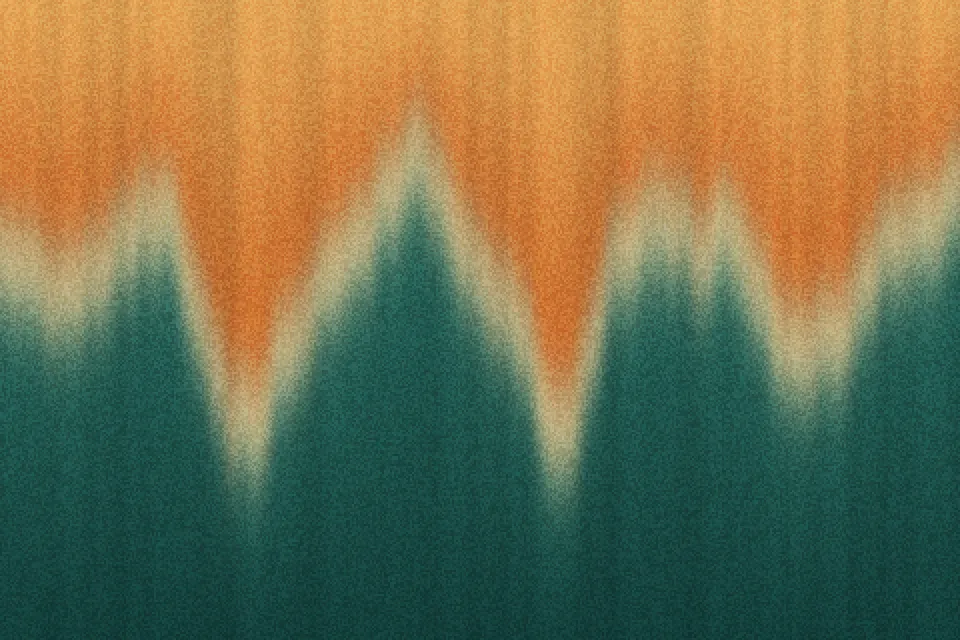
The six paths on the house and its two covers are drawings: fields of reeds rising into a coloured sky, or flat fields with paper fibres, all with paper grain. A small program draws them from a seed, so each one comes out the same every time. They are pictures of the light around plants, not specimens.
Real specimens, none generated.
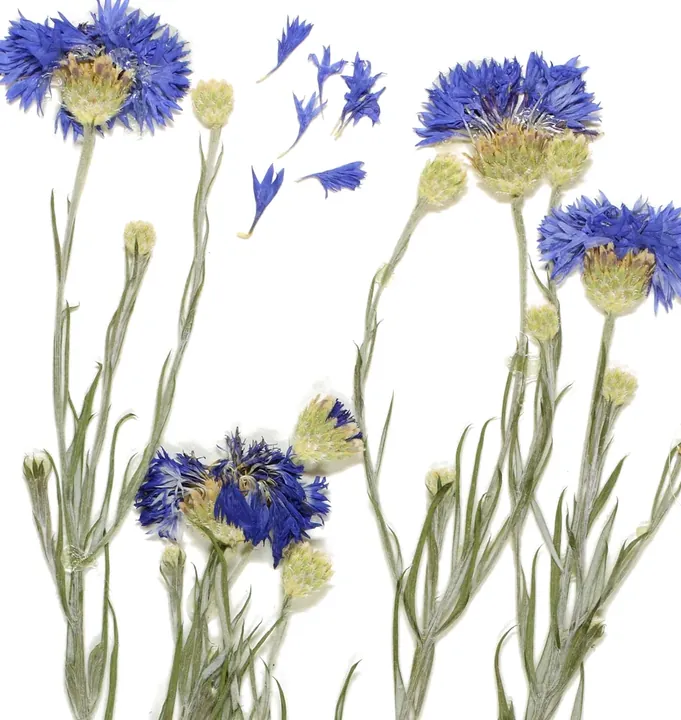
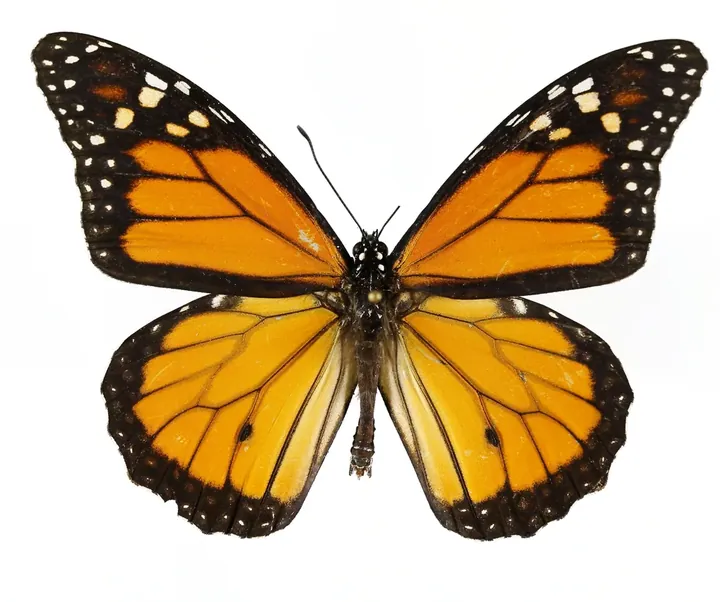
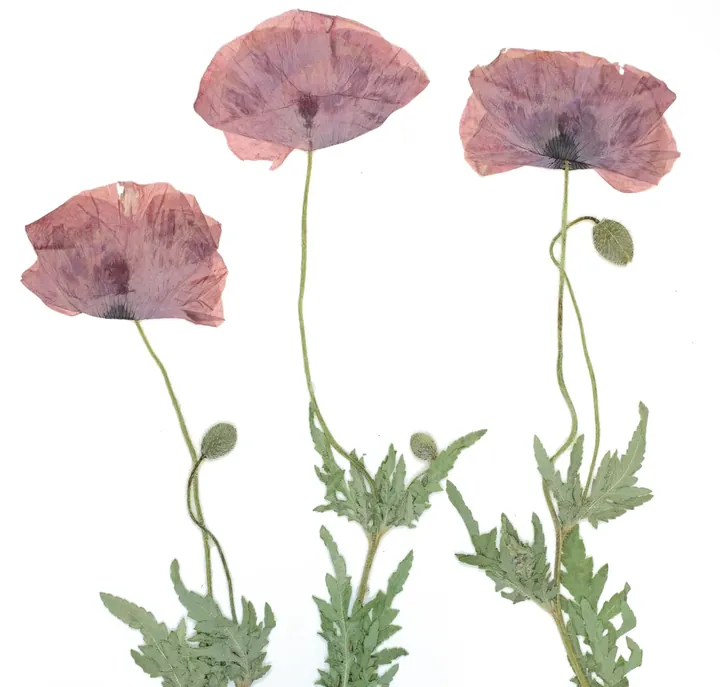
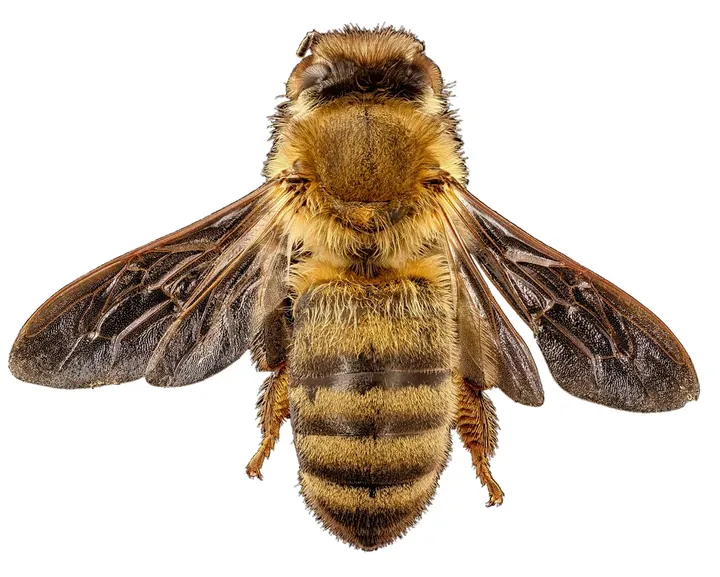
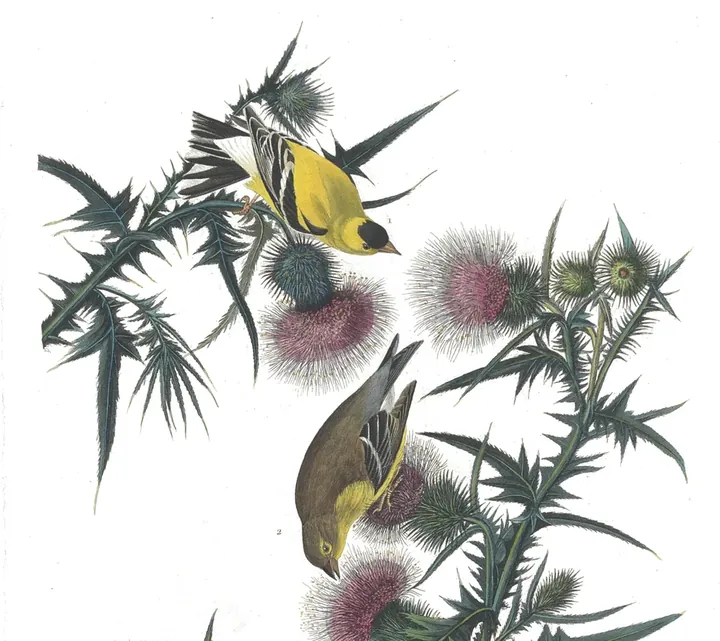
Where the house shows a specimen, it is a real one. No specimen is generated, and none is tinted to fit a palette: each keeps its own colour. The flowers are herbarium specimens, the bees and butterflies are museum and survey photographs, and the birds are Audubon's plates, engraved and hand-coloured by Robert Havell. All of them are public domain or CC0, and each one is credited. Where every specimen comes from
One breath, four marks.
花話畫畫, said aloud huā huà huà huà. Read as two words, it is 花話, flower talk, and 畫畫, to draw a drawing. Each mark is one way into the house.
Every plant in your life, kept for life.
The people who grow, study and draw plants, in their own words.
Plants, and the light they grow in.
What the people we meet make, and an introduction to them.
One stroke, four rings, one flower.
The mark is drawn with a brush. The ring is one stroke: it starts with a press, thins as the ink runs out, and goes dry before it closes, so the garden's wall keeps one opening. Four rings sit around it, one for each room of the house. At the centre is a flower painted the boneless way, 沒骨, each petal one press of the brush with no outline.
No line is quite where its twin is. Its unevenness is the brush's, and it stays as drawn.
- The mark opens a page, and stands on a cover where a publisher would put its own. The seal signs the foot and what a member keeps.
- Use the mark from 32 pixels up. From 16 to 24, use the cut: heavier, with the rings set into the ring and the flower closed to a bud.
- It is always one ink: the deep green ink on paper, warm paper at night and on a cover. Cinnabar belongs to the seal.
- Never outline it, fill it in, space it out or redraw it.
Two questions, asked in pairs.
How artful a thing looks is not the measure. Every choice here answers two questions: does it make us more whole, and do we truly like it?
We put two versions side by side, at full size and in place, and several of us say which one. One pair at a time.
The colours.
Every colour is a token of the house's lens, and each chip shows its value as this page reads it now. The house is warm paper by day and a deep green garden at night, and its one dark band is the night itself.
By day
- Paperthe ground
--ground - Cardthe page and its cards
--raised - Inkthe words
--ink - Soft inkreading
--ink-2 - Quiet inklabels and small print
--ink-3 - Lineedges
--line - Leafwhere focus is
--light - Sealthe seal alone
--core
By night
- Paperthe page and the band
--ground - Cardcards
--raised - Inkthe words
--ink - Soft inkreading
--ink-2 - Quiet inklabels and small print
--ink-3 - Lineedges
--line - Leafwhere focus is
--light - Sealthe seal alone
--core
The type.
Never so many plants around us.
EB Garamond, for every name and every word.
Six paths · Garden walk
Its italic, in capitals spaced wide, for labels.
花話畫畫
Noto Serif TC, for the four marks.
Where every specimen comes from
The pressed flowers are herbarium specimens, the bees and butterflies are museum and survey photographs, and the birds are Audubon's plates, engraved and hand-coloured by Robert Havell, all public domain or CC0.